The bodywork practice at House of Ki is focused on community care, accessibility, and holistic healing. With an approach that combines intuitive touch, consent-based practices, and a profound regard for the body’s knowledge, Khiara, the creator and practitioner of House of Ki, is dedicated to decolonizing bodywork and establishing safe, trauma-informed spaces for the QTBIPOC community. We had a conversation with the founder to find out more about how they manage their Montreal-based company.
What is your business called and what does it do?
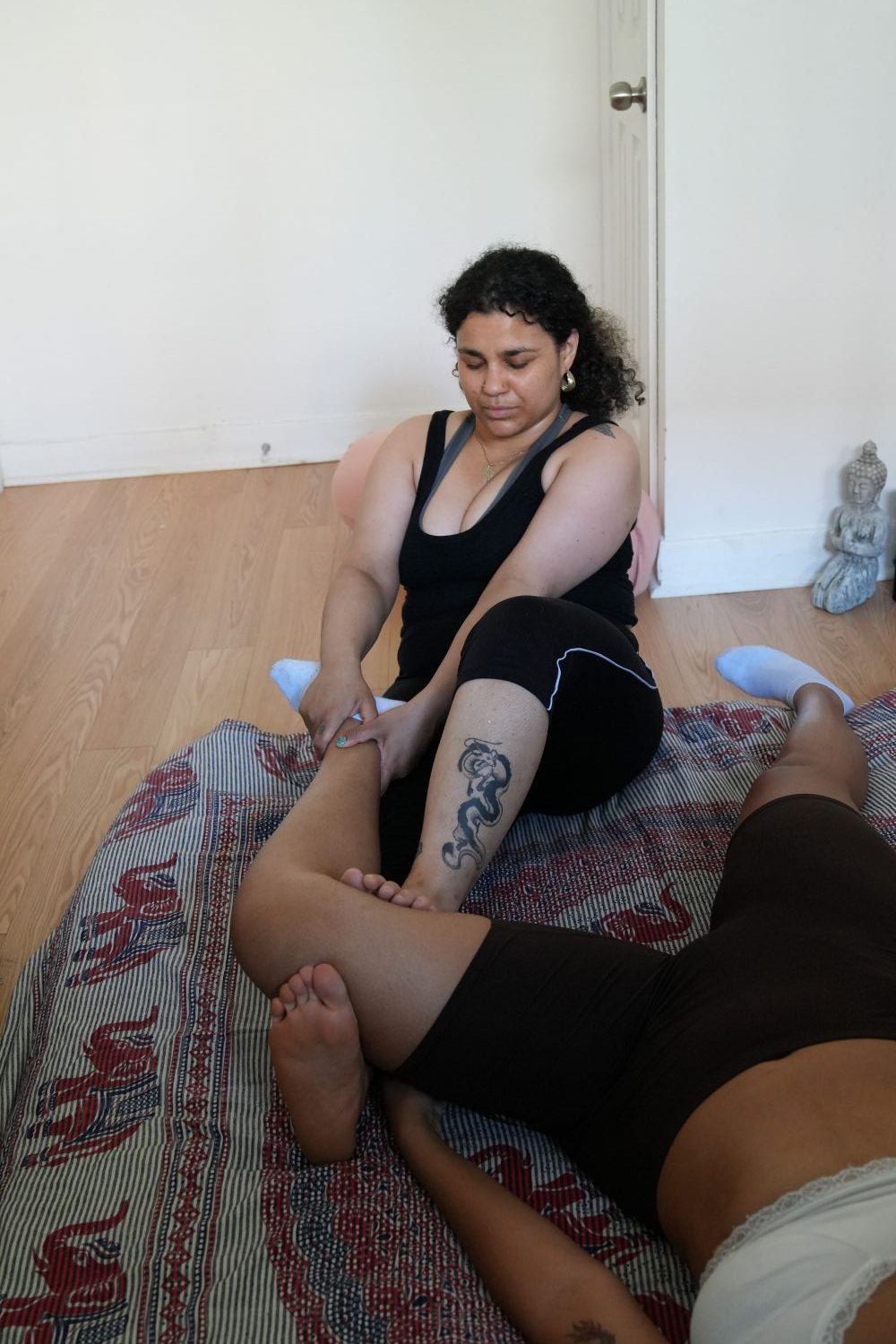
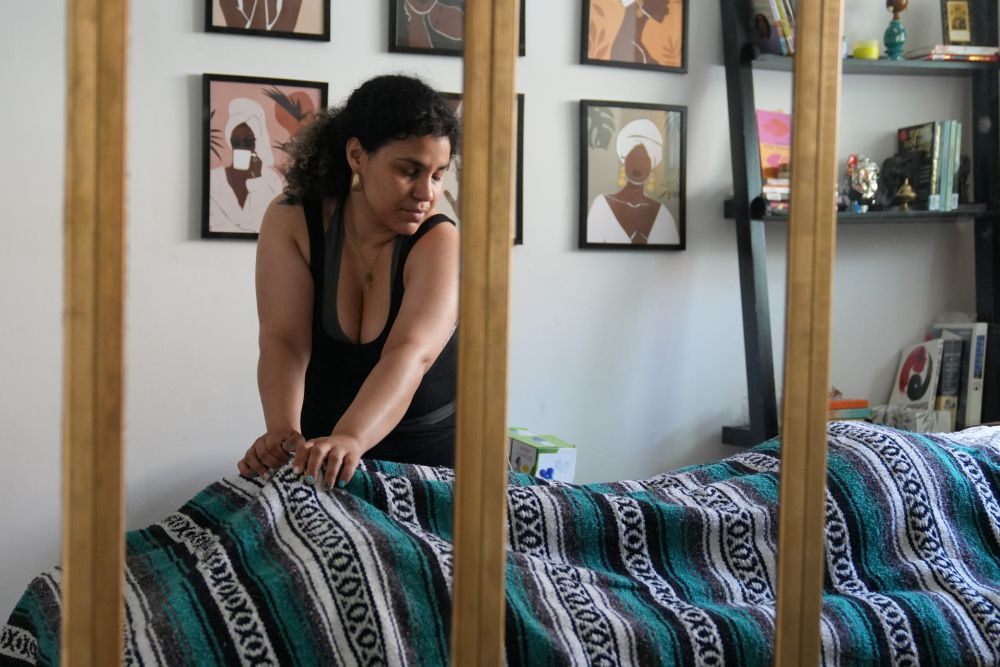
It’s called House of Ki, and it’s a massage practice focused on healing through the integration of movement, breathwork, and lifestyle changes. I help people reconnect with themselves, release tension and process emotions stored deep in the body.
What made you want to do this work?
As a queer Black woman, I know what it’s like to feel invisible, experience trauma, and to carry that pain in your body. I didn’t want anyone to feel alone in their healing. I found massage after a family member noticed my gift for it, and when I learned about Acupressure and Traditional Chinese medicine, it completely reshaped my understanding of what healing could look like for people like myself.
What problem did you want to solve with the business?
Representation and accessibility. Too many QTBIPOC folks don’t see themselves represented in wellness spaces, or worse, they feel dismissed or misunderstood by the system. House of Ki is my way of creating a space that feels like home. It’s a place where people can be their full selves, heal without judgment, and feel seen
Who are your clientele/demographics?
My clients are typically those dealing with trauma, chronic stress and pain or anyone searching for a deeper, holistic healing experience.
How does your business make money? How does it work?
I offer one on one massage sessions, doing either shiatsu, acupressure or cupping. Clients book appointments through my link on Instagram. I also offer sliding scale pricing because I know firsthand that care isn’t always financially accessible, and I don’t believe healing should be a luxury.
Where in the city can we find your profession?
I work from home, in Verdun, creating a sanctuary that’s cozy, calming, and intentionally designed to help people relax and feel safe.
What is the best question a prospective customer could ask a member of your profession when comparing services? Give the answer as well.
“How do you approach healing beyond just physical pain?”
I don’t just focus on muscle tension; I help people release what they aren’t aware they’re holding onto. Through touch and movement, I aim to bring awareness to those places so the body may begin to move through it too.
What is the best part about what you do? What is the worst part?
The best part is the magic that happens when someone walks in heavy and walks out lighter, more present in their body, and with a little more peace. That’s everything to me.
The worst part? The fact that so many people, especially in marginalized communities, don’t have access to the care they need. I do my part with sliding-scale pricing, but the systemic barriers are real, and there’s so much more work to do.
What is your favourite joke about your own profession?
One that I make about myself is “ It’s always ‘can I get a massage’ and never ‘ can I massage you?’”
Where can we follow you?
PAY IT FORWARD: What is another local business that you love?
Massage therapist Jacqueline Powell of Art of Shu