
Rachel Schleifer serves as Community Engagement and Advocacy Coordinator at The Depot Community Food Centre, a Notre-Dame-de-Grâce nonprofit founded in 1986 on the belief that nourishing food is a right, not a privilege. Joining in 2022 after advocating for the right to food since 2018, Schleifer arrived as the organization still reeled from COVID’s impact and tripling food bank demand between 2021 and 2023—a sharp rise reflecting broader trends across Quebec and Canada as cost-of-living increases push more people toward charitable support that cannot address root causes alone.
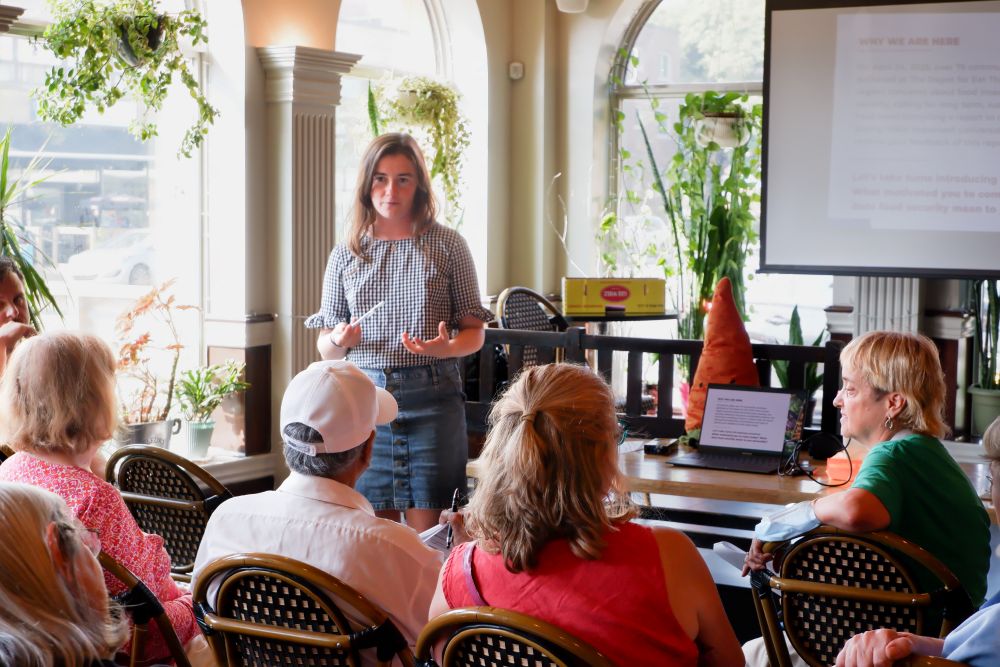
Describe your charity/non-profit/volunteer work in a few sentences.
Founded in 1986, The Depot Community Food Centre is a community-based nonprofit rooted in the Notre-Dame-de-Grâce neighbourhood of Montreal. At The Depot, we believe that nourishing food is a right, not a privilege.
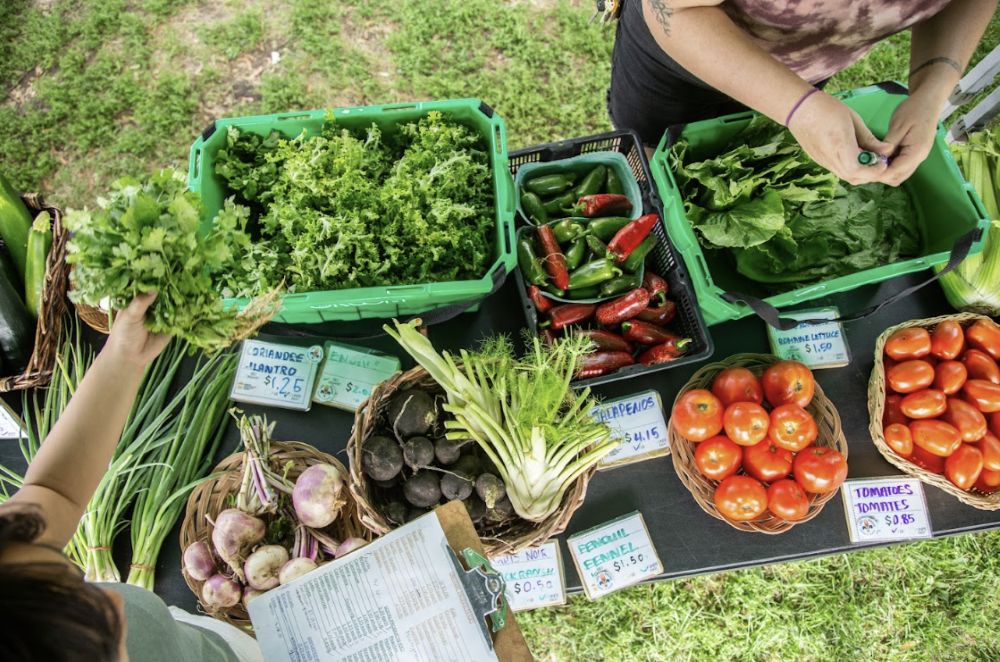
Through food access programs like our Marché Dépôt food bank, mobile markets, community meals, gardens, cooking workshops, and advocacy, our centre creates space for people to access nutritious food, to build relationships and to contribute to meaningful change. Today, The Depot offers around a dozen programs that reach over 9,000 community members, many of whom are living with lower incomes.
What problem does it aim to solve?
1 in 4 people in Canada are living with food insecurity. That’s 10 million who do not have reliable access to food.
The Depot works to address both the immediate impacts of food insecurity and the systemic causes of poverty that prevent people from accessing food. Beyond access to food, our programs also create spaces where people can cook, eat, learn, and connect with others. Building community around food helps reduce social isolation and supports long-term health and well-being.
Food banks provide important short-term support, but they cannot solve food insecurity on their own. Long-term solutions require stronger public policies and systems that make food more accessible for everyone. Food insecurity is fundamentally an income problem, meaning that many people simply do not have enough reliable income to consistently afford the food they need.
As a local organization connected to a national network of more than 450 community food centres through Right to Food, formerly known as Community Food Centres Canada, we work to connect what we see on the ground with efforts to improve policies and systems that affect food access across the country.
When did you start/join it?
I have been advocating for the right to food since 2018, and I joined the Depot in 2022.
What made you want to get involved?
I originally wanted to get involved because I admired the ways in which The Depot built a community anchored around food. At The Depot, food is the starting point that brings people together, that celebrates diversity and culture and that resists a system that does not recognize our collective human rights.
Food connects us to one another, and I always value all of the conversations, ideas and experiences I have shared over delicious meals in our space. I respect The Depot’s multi-faceted approach that addresses food insecurity through both community-based initiatives and broader systemic change.
What was the situation like when you started?
When I started in 2022, we were still feeling the impacts of COVID. Much of our work focused on responding to immediate needs through our food bank services.
Between 2021 and 2023, demand for our food bank services tripled. At the same time, we slowly began bringing back our in-person programming This sharp rise in food insecurity is something we’re seeing across Quebec and Canada. As the cost of living continues to rise, we see more people turn to food banks for help. It has become clear that the scale of need is growing beyond what charitable organizations alone can address.
Through our strategic planning process, we developed a Theory of Change that balances responding to urgent needs today with building long-term community health and addressing the root causes of food insecurity.
How has it changed since?
Today, our work focuses on three main areas.
First, responding to immediate needs through food access programs like our food bank, mobile markets and community meals. Second, supporting long-term community health through programs like adult and family cooking workshops, after-school youth cooking programs, collective and community gardens and workshops. Third, advocating for broader systemic changes that address the root causes of food insecurity.
Since 2024, The Depot has also become Quebec’s Regional Advocacy Hub leader, one of six across the country with Right To Food. Through these networks, we link lived experience to policy change at the federal level.
What more needs to be done?
Addressing food insecurity requires more than isolated efforts or short-term solutions. In partnership with Right to Food Canada, we are advocating at the federal level in three key areas:
1. Income support: At the federal level, we advocate for income supports that reflect the true cost of living, including expanding the Canada Disability Benefit, improving the recently announced Canada Groceries and Essentials Benefit, replacing the Canada Workers Benefit with a stronger alternative, and enhancing Employment Insurance.
2. A national food insecurity reduction target: We are pushing our government to set a clear and time-bound target to reduce food insecurity and ensure accountability.
3. Indigenous food sovereignty: We support our Indigenous partners and communities working to reclaim their land, restore their food systems, and build long-term community-driven solutions.
Food insecurity is not a personal failure, it is a systemic one. With collective advocacy and sustained action, Canada can build a future where everyone has the food they need to live and thrive with dignity.
How can our readers help?
Volunteer at your local food bank while mobilizing to take action on the issues that you care about. There are plenty of tools and people doing great work out there. A lot of the time, change begins with a simple conversation or action. Do not be afraid to be disruptive or to shake things up when you notice injustice! If you want to read more about what The Depot is doing or get involved with our Social Justice Committee, you can read about us here.
If you don’t have the time or capacity to volunteer, you can also make an impact by donating (https://depotmtl.org/donate/). Community organizations like ours rely on sustained funding to continue this essential work, and financial support helps ensure we can keep showing up for members of our community.
Do you have any events coming up?
Empty Bowls April 11th from 11am-2pm at The Depot: 6450 Somerled Ave: Come purchase a handmade bowl for $30 and enjoy a bowl of soup while learning more about our work.
Where can we follow you?
Website | Instagram | Facebook | LinkedIn
PAY IT FORWARD: What is an awesome local charity that you love?
I want to give a big shoutout to our partners at Racine Croisée, who work to combat social exclusion and support immigrants in their process of integration in Montréal.
They also distribute food baskets to reduce social injustice and to address the lack of variety available to their participants.
Read more about them here.