It is rare to find someone as creatively relentless and deeply compassionate as Adina Katz. I have known her for a long time, and if there is one thing that defines her, it is her constant state of artistic motion. Adina is a theatre-maker who can do it all: acting, singing, improv comedy, writing, directing, producing and more. It’s not just about the resume though; it is about the heart and humour she brings to every room.
Ever since I can remember, Adina has found joy in entertaining people. She has also always been driven to create programs that help others access their own creativity. She is a pillar of the Montreal arts scene, yet she never feels distant or ‘industry.’ She maintains an incredible humanity in everything she does.
I have watched her dedicate herself to her craft for years. After training in New York, Toronto, and Chicago, she returned to Montreal, cultivating a body of work that has matured beautifully. Whether she is teaching, mentoring, or creating, her work is always imbued with care, intelligence, and absolute integrity. It is always exciting to see what she will do next!
***
Which neighbourhood are you in?
I live on Saint-Laurent Boulevard, locally known as ‘The Main.’ It is an endlessly fascinating place. Historically, it was the vital artery for immigrants arriving at the port of Montreal, building their lives as they moved northward into the Plateau and the Mile End- a history you can still see reflected in the rich multicultural tapestry of the shops and restaurants here today.
Beyond its history, the Main feels like a geographic and cultural intersection; it serves as the spine separating the Anglophone west, where I grew up, and the Francophone east. There is a distinct, storied energy here- this is the ground where Leonard Cohen once wandered in his slippers from his home for coffee at Bagels Etc., and where Mordecai Richler drew so much of his inspiration.
Living here feels like a true reflection of my own life. It bridges my identity as a second-generation Canadian- the granddaughter of European Jewish immigrants who fled persecution and originally settled in this same neighbourhood- with the creative, bohemian path I have forged as an artist. It is a perfect intersection of where I come from and who I have become.
What do you do?
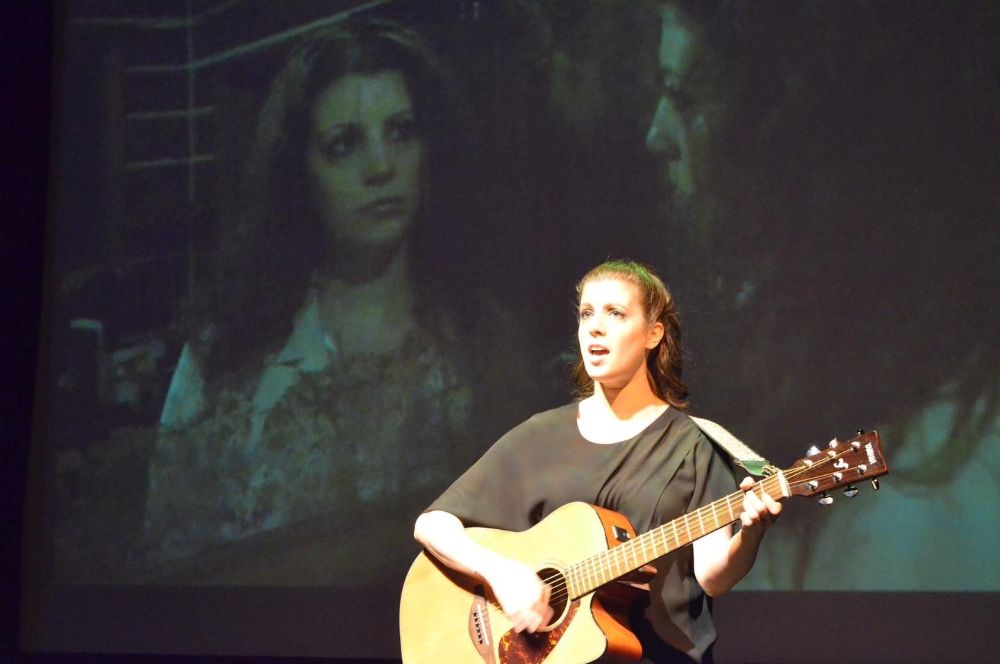
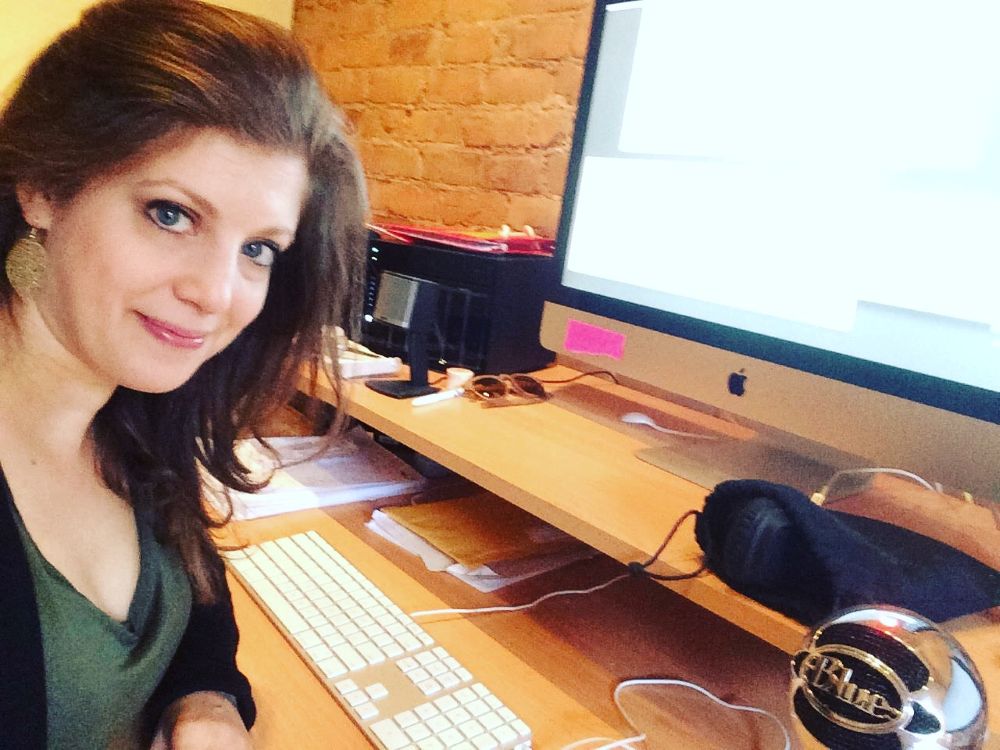
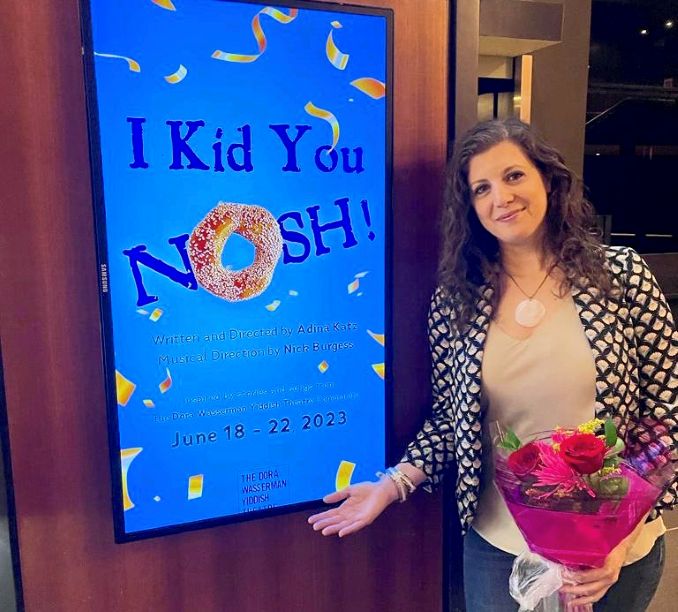
I am a theatre-maker. I am a performer (actor, singer, improv comedian), writer, director, producer, video designer, and educator. My creative life is rarely confined to one lane, and often, I’m wearing multiple hats on a single project. For example, when I created my one-woman show, Be a Good Girl, I wrote the script and music, designed the video elements, produced the show, and performed it. When I wrote I Kid You Nosh, I also directed it and served as the dramaturg. When I create comedy sketches, I write, perform, produce, film, and edit them. As an improviser and musical improviser, I am often the producer and director as well.
My specific projects can change from year to year, but they are consistently connected by the content and conventions that inspire me. My work is deeply rooted in the intersection of storytelling, history, social commentary, and community. Whether I am commissioned to create a show or following my own initiative, I am constantly drawn to the idea of legacy- how we can honour the figures of the past to create context for the present. This was the driving force behind projects like The Golden Thread, a show I created recently for the Segal Centre’s 2025-2026 YAYA program (Young Actors for Young Audiences) to celebrate the Jewish leaders of the 1920s and 30s, and a different project commissioned by the Dorshei Emet Congregation (January 2026), where I contextualized the legacy of Jewish Broadway composers in a documentary meets musical concert performance. Between that and regularly singing for seniors and in hospitals across Montreal, where we always discuss the impact of these vintage songs and the generations they came from, my goal is always the same: to create spaces where stories are shared, history and society is acknowledged, and humanity is at the forefront, all done in an engaging and entertaining way.
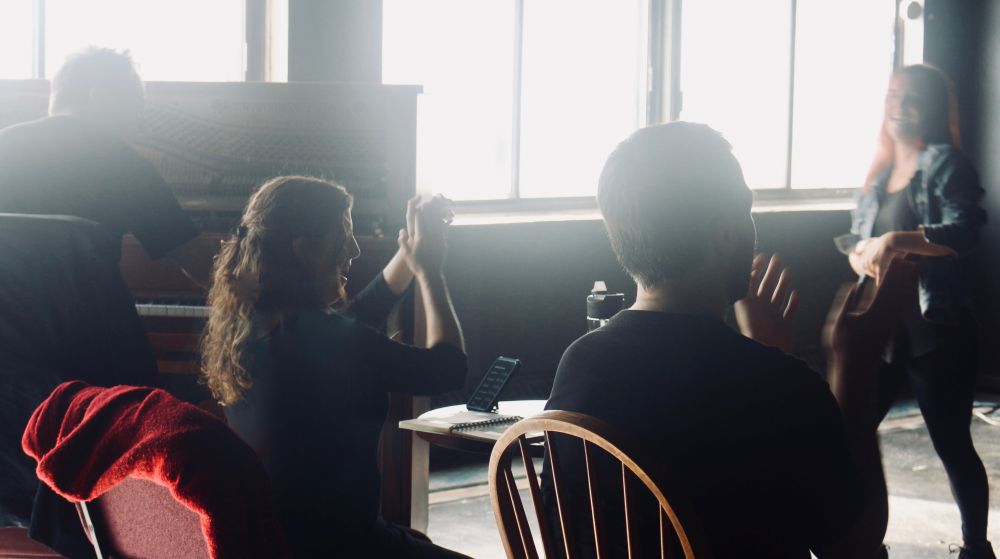
I also believe deeply in the next generation and the power of connection. I am an educator, driven by wanting to share the artistic practices that I love, which has lead to a variety of expressions, such as, teaching acting to voice students at McGill University, running children’s programs, mentoring emerging artists through the Segal Centre’s Jewish Artist Mentorship (JAM) program, and a variety of private coaching.
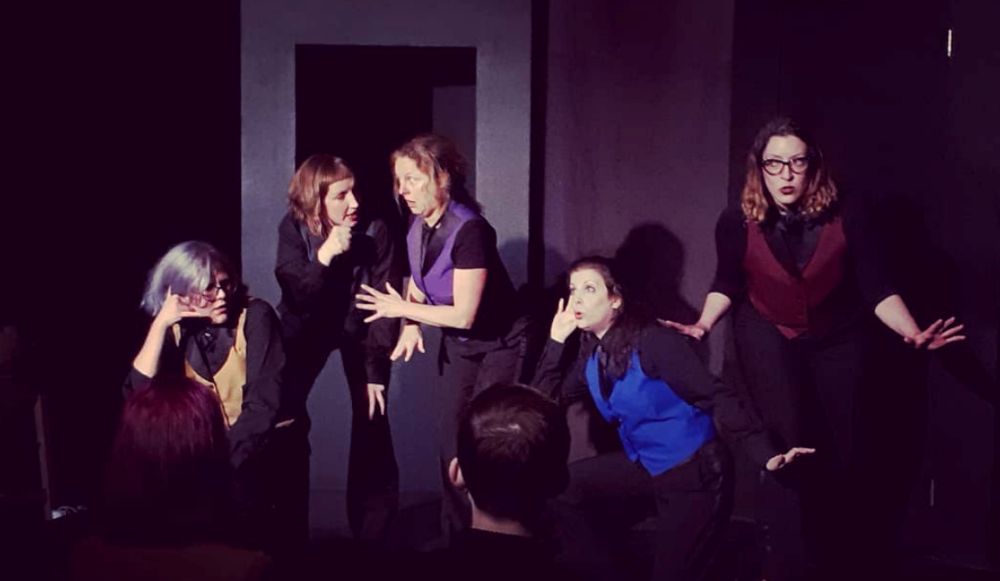
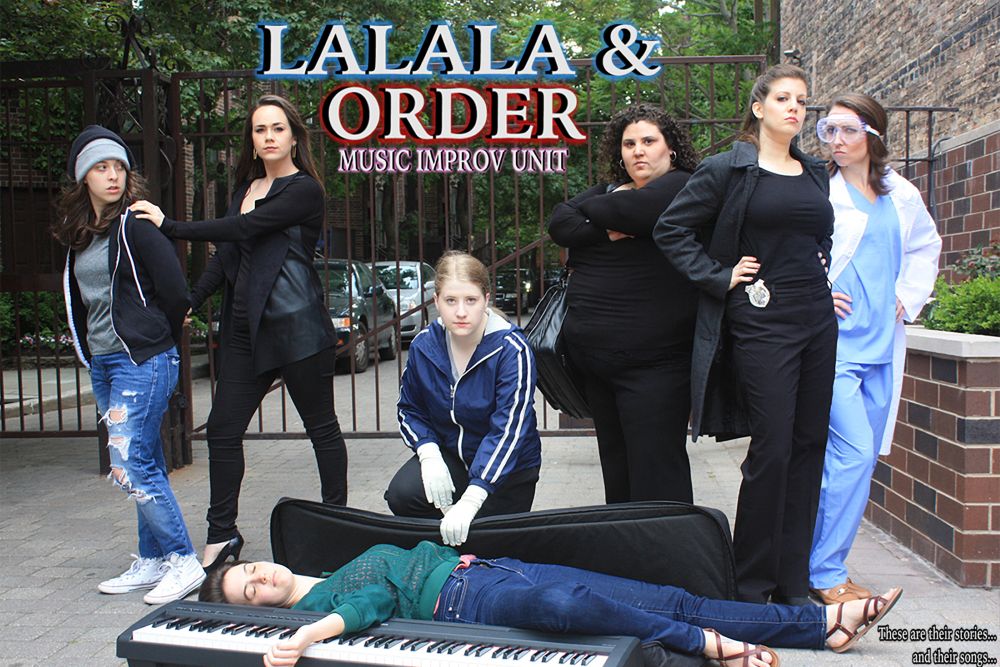
One project that I am committed to indefinitely is Musical Improv Montreal, of which I am the founder, artistic director, and main teacher. I love this art form and am dedicated to seeing it grow in this city. It has been a true pleasure watching the program flourish, witnessing my students blossom, finding joy, and creating their own ensembles. I am thrilled to pay that forward, as performing with my own troupes, “The Jazz Ands,” and “Way The Hell Off-Broadway,” has brought me so much joy.
What have you recently worked on?
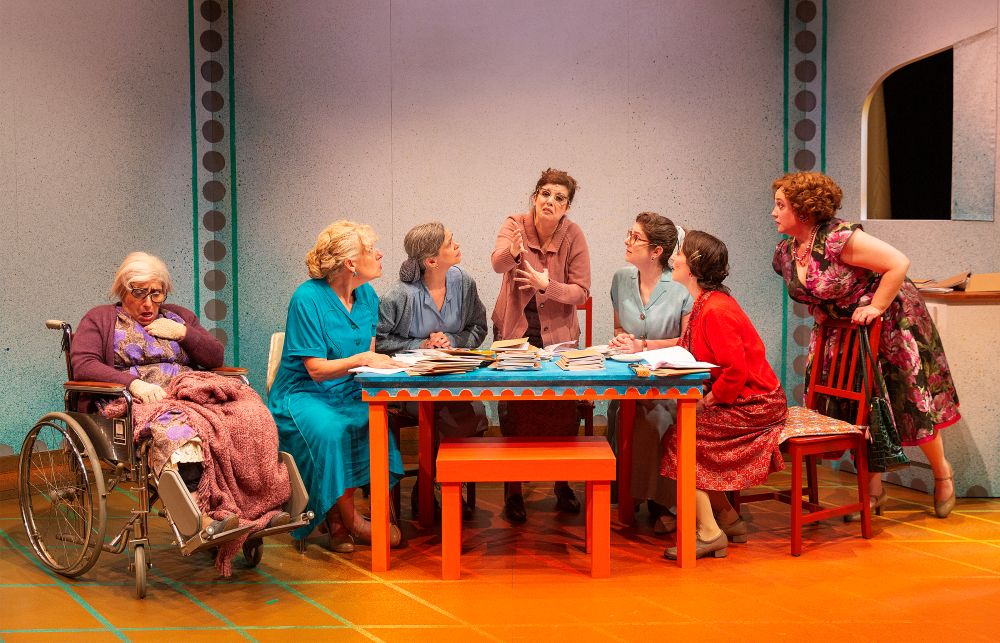
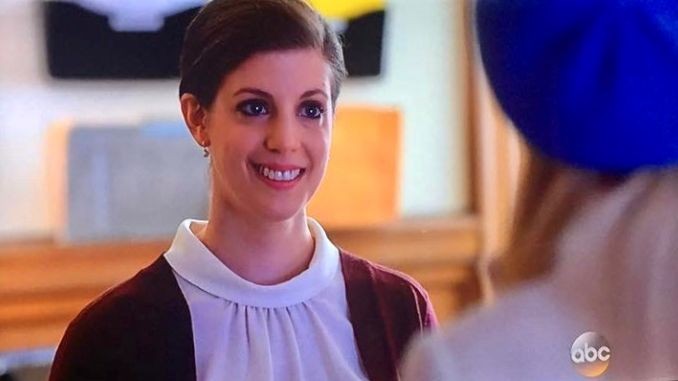
I recently performed the role of “Des-Neiges Verrette,” in Di Shvegerins, the Yiddish adaptation of Michel Tremblay’s classic Les Belles-Sœurs, at the Segal Centre.
For me, this project was a unique luxury. As a theatre-maker who often wears many hats, stepping into the role of a pure actor is incredibly liberating. I am relishing the opportunity to focus entirely on the craft, the discovery, and the simple joy of performance without the administrative heavy lifting.
Working in Yiddish has been profoundly grounding. It is the language of my grandparents and a history I feel compelled to both protect and keep vital. My own professional transition into theatre actually began here over 20 years ago, performing in the Yiddish Fiddler on the Roof, during the epic Bryna Wasserman era. Coming back to the Dora Wasserman Yiddish Theatre feels like returning to my roots. We call our cast a “mishpacha” (family), and the camaraderie we share behind the scenes is as much a part of this show as the performance itself.
It was particularly resonant that the story takes place in the Montreal Plateau, the very neighbourhood I call home. This setting added a layer of local history and poignancy that grounded the production, as did the merging of Joual French, and Yiddish, the once third most spoken language of Montreal.
Furthermore, the performance has been an absolute joy. Our director, Audrey Finkelstein, has given us such wonderful permission to lean into the ‘clown’ aspects of the work. I’ve always preferred playing extreme characters over the ‘straight man’ roles, and this production allows us to explode into that physical comedy and distinct characterization- skills I’ve honed over years of character acting, writing sketches, and performing improv. Watching everyone’s characters blossom and seeing how we’re all playing with the extremes of these roles in order to tell the story has been fulfilling, freeing, and fun.
One may suggest that the play feels “outdated” or that its sharper edges should be softened because of its “offensive” language, behaviour, and jokes. I fundamentally disagree. We are currently living in a culture that is increasingly anxious about art and comedy that shocks or discomforts, which can lead to a kind of pervasive self-censorship and lack of social reflection. But to sanitize history does not make it more palatable; it simply makes it less true. To edit out the challenging aspects of this play is to negate the history it attempts to document. The “offensive” content is not a relic of an unenlightened time that we must now clean up in the name of modern sensitivity. On the contrary, these aspects were included intentionally by the writer.
This is the nature of satire, an artistic convention I lean towards. Satire uses humour, irony, and exaggeration to critique societal issues, politics, and human behaviour. It is designed to expose hypocrisy and provoke critical thinking, which is exactly what Michel Tremblay brilliantly executes by drawing from the real people, behaviour, and religious and social norms of his 1960s Quebec environment. Muting this kind of work leads to an artistically shallow and bland landscape. It results in a collection of art that is merely “bubblegum,” making it uninteresting, unchallenging, and lacking in depth.
Finally, dismissing the characters’ behaviour as “outdated,” misses the fundamental truth that sometimes “hurt people hurt people.” If we view these characters only by their surface-level actions: their bitterness, their cruelty, or their narrow-mindedness, we fail to look at the immense repression, systemic inequality, and social circumstances that shaped them. Understanding the context of their behaviour is not the same as excusing it; it is, however, the only way to break the cycle. We cannot hope to foster real social or political change if we only look at the “what” and never the “why.” We can apply the same logic to current behaviours we witness or partake in, in order to dissect them and inspire positive change. Theatre is a mirror; in this case, it asks us to examine the roots of violence and repression so that we don’t repeat the cycle. That is why this play remains not only relevant, but necessary.
Where can we find your work?
Check out Musical Improv Montreal. We are hosting some short classes this summer, with our full, in-depth workshop programs and regular performance season launching in the autumn. The best way to keep up with classes and shows is to visit our website, follow our social media channels, or join our newsletter.
I also have several exciting projects in the pipeline. Due to popular demand, we are currently planning a remount of the Jewish Broadway Composers project, and I will be back in the director’s chair this December for the annual Lyrics & Latkes at the Dora Wasserman Yiddish Theatre.
Finally, I am creating new comedy sketches that will be released on digital platforms over the next few months, so stay tuned on my website or Instagram.