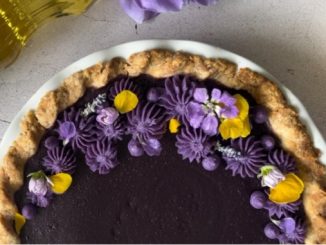
After leaving Quebec at a young age, Olivier Renaud‘s journey has come full circle in Montreal. Through his cooking, he reconnects with his roots – drawing inspiration from his family and his place of origin.
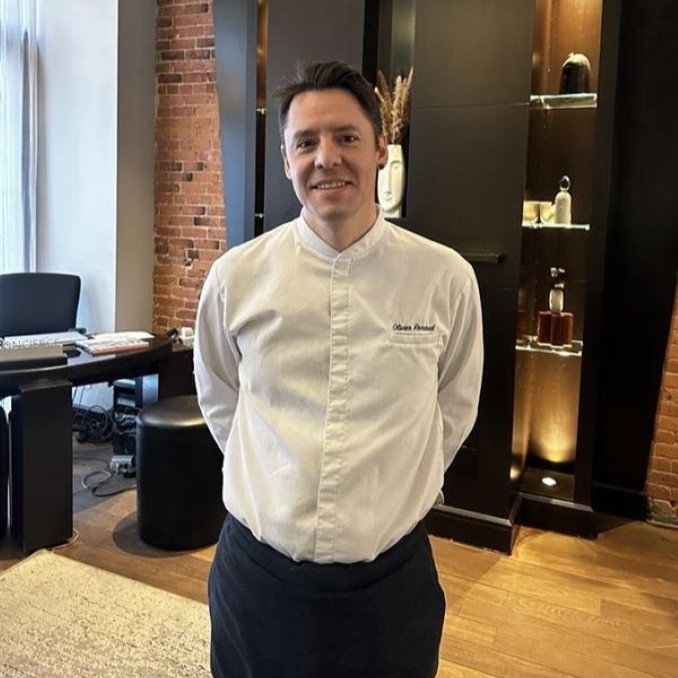
What first inspired you to become a chef, and how has your journey led you to Montréal?
What inspires me to become a chef is the recognition from my peers, improving every day, and learning and sharing my knowledge—it’s something I truly enjoy. I came to Montreal because I was born in Quebec and left when I was 10, so this is my way of reconnecting with my roots and coming back to where I’m from.
Who were some of your biggest influences, either chefs or family, in shaping your approach to cooking?
My greatest inspirations have been and continue to be: David Maroleau (my mentor, who taught me hospitality and many styles of cuisine), my grandmother for her generosity, and my mother, who taught us to discover new flavours. Also, Anne-Sophie Pic, an outstanding chef, and my executive chef for his discipline and guidance.
What’s the story behind your restaurant — how did it come to life?
La Brasserie 701, located in Old Montreal, is a chic restaurant inspired by the grand Parisian brasseries, housed in a historic building. Offering classic French cuisine in a neoclassical setting, it is part of the prestigious Corner Collection. The establishment is known for its lively atmosphere and brunches.
How does the food culture of Montréal influence your cooking style or menu choices?
My cooking takes inspiration from Montreal—through family meals, or when my grandmother delights us with new dishes from her old cookbooks, from discovering new restaurants, and from the people I meet. Through this, I try to pay tribute and share through my dishes the feelings of travel and my love for Quebec.
What’s one local ingredient you can’t live without in your kitchen?
I can’t choose just one ingredient; I would rather focus on the flavours that delight and amuse me the most, playing with acidity and sweetness to achieve the perfect balance.
If someone was visiting Montréal for the first time, what food experience would you insist they try?
I would tell them to come to Hôtel Place d’Armes and dine at Brasserie 701 or Kyo, try Quebecois street food, experience some renowned restaurants, and finish with an ice cream on the Old Port.
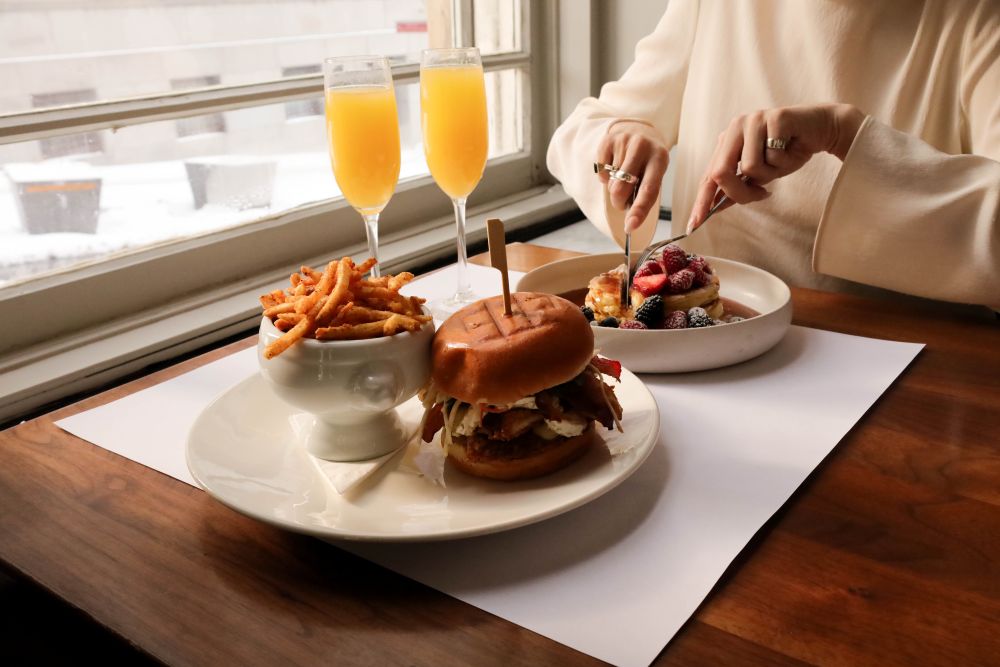
What restaurants, cafés, or hidden gems in Montréal do you personally love to eat at when you’re off-duty?
I haven’t found my favourite café or restaurant yet, but I enjoy discovering new brunch spots with my family.
How do you think the dining scene in Montréal is different from other Canadian cities?
I don’t know the other cities in Quebec very well yet, but I can say that Montreal stands out for its cultural diversity, its warmth, and the talents that reveal themselves more and more each day.
Where do you like to shop for ingredients locally — farmers’ markets, specialty shops, or a particular supplier?
I enjoy visiting markets, producers, and farmers to always learn something new and to share a moment together.
Beyond food, what makes Montréal special to you as a place to live and work?
This place holds a special meaning for me. I was born nearby and had to leave my homeland not by choice, but coming back here drives me to become a better person—a way of taking life back into my own hands.
What’s next for you and your restaurant here?
The next step for me and my restaurant would be to continue sharing the passion that drives me in the kitchen, to gain recognition from my Quebecois and Canadian peers, and, why not, one day have the honour of receiving a distinction.