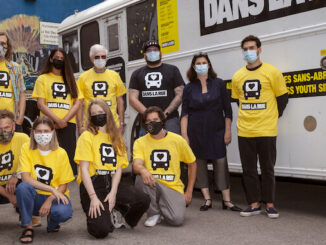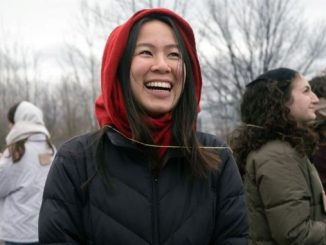
For over two decades, Na’kuset, Executive Director of the Native Women’s Shelter of Montreal, has been a tireless advocate for Indigenous women and children. Since joining the organization in 1999, she has dedicated her life to creating safe, culturally grounded spaces that empower Indigenous families and confront the ongoing impacts of systemic racism. Under her leadership, the shelter has grown from a single site of refuge into a hub of vital programming, community outreach, and advocacy — helping women rebuild their lives and reclaim their strength.
Describe your charity/non-profit/volunteer work in a few sentences.
To provide a safe and supportive environment that strengthens cultural identity, self-esteem and independence for Indigenous women and their children.
What problem does it aim to solve?
To support Indigenous women and children from systemic discrimination and racism.
When did you start/join it?
1999 as a Frontline Worker and then as Executive Director in 2004.
What made you want to get involved?
I started as a volunteer and wanted to help Indigenous women.
What was the situation like when you started?
Similar to today, however, the organization has grown exponentially.
How has it changed since?
We offer many more programs within the shelter, and external projects, and also a second-stage housing program.
What more needs to be done?
We need to support the children aging out of youth protection and create a shelter for Indigenous elders.
How can our readers help?
Send donations and volunteer. Read the TRCs and MMIW Calls to Justice and the Viens Commission recommendations.
Do you have any events coming up?
We are hosting a Permanent Peoples Tribunal in May 2026. Find out more here.
Where can we follow you?
Website | Facebook | Instagram
PAY IT FORWARD: What is an awesome local charity that you love?
Resilience Montreal is an Indigenous led shelter that provides culturally appropriate services for Indigenous people. Their mission statement is “Resilience Montreal is a wellness centre for the most vulnerable and provides a welcoming and safe oasis from the hardships of the streets where people with trauma are honoured, defended and can access services that meet their needs.”